


Cold Storage.
Field notes on steel building procurement, engineering and export.
Where Cold-Store Energy Really Goes — and How the Envelope Controls It
Thick panels are not an energy strategy on their own. Air leakage, thermal bridges, doors and controls decide the real load.
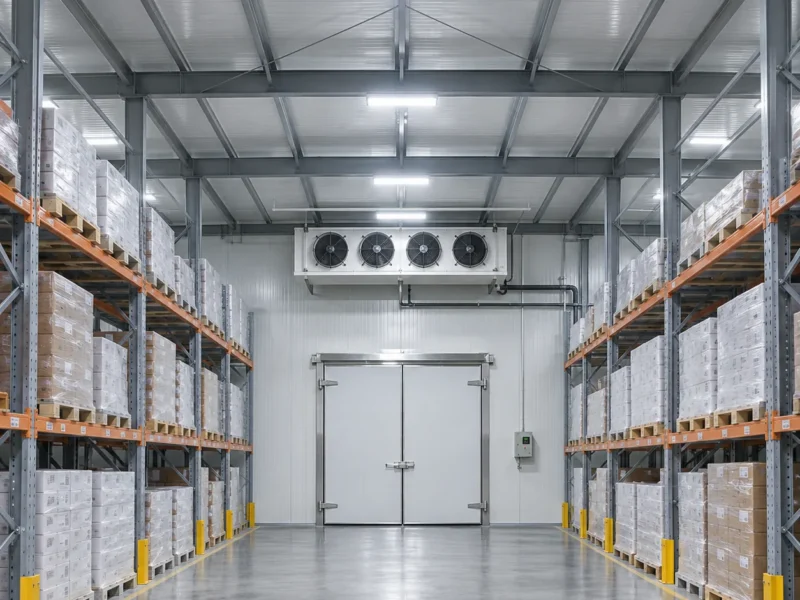
Chilled, Frozen or Deep-Frozen: Matching Temperature Bands to the Building
The setpoint is only one number. Product load, door traffic, floor conditions and refrigeration capacity decide whether the room holds it.
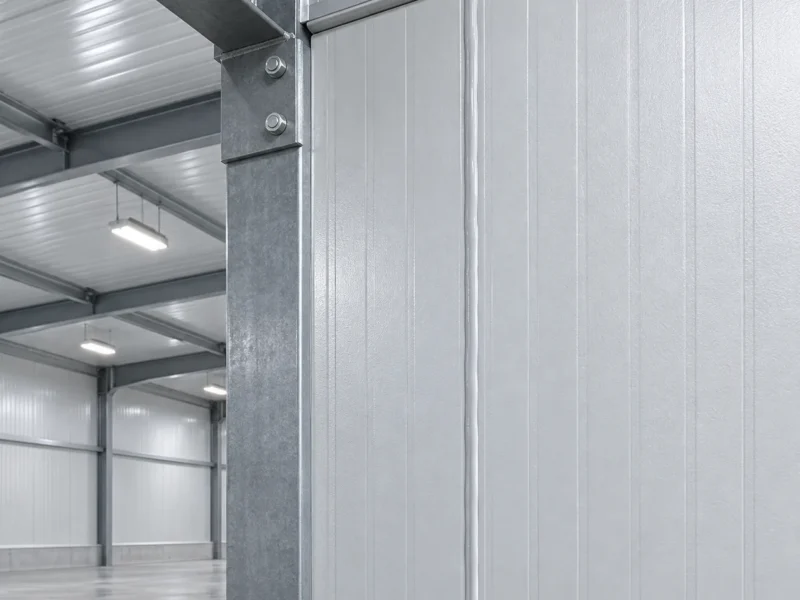
Vapour Barriers in Cold Stores: Where They Belong and Why
A vapour barrier is not an accessory. Its position, continuity and joints decide whether the insulation stays dry and the steel stays…
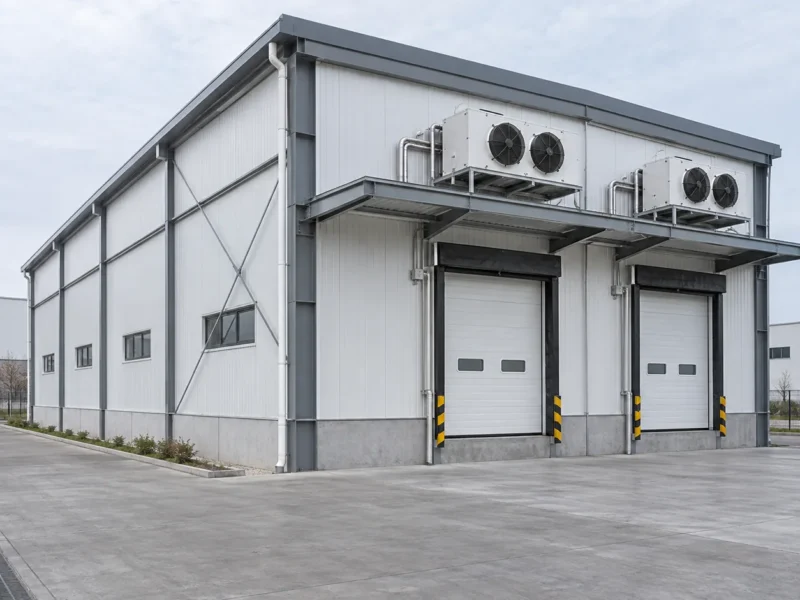
Cold Store Cost per Square Metre: What the Number Actually Covers
A cold-store rate can look low until you see what it excludes. Here is how to compare steel, panels, floors, refrigeration and…
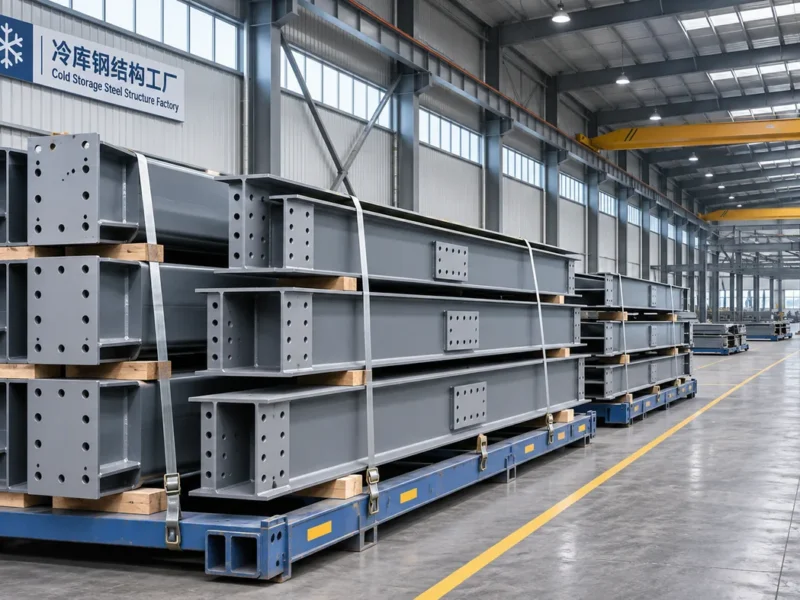
How SDKM Delivers a Cold-Store Steel Package
From the first temperature brief to bundle marks, a cold-store steel package is coordinated with the envelope, floor and refrigeration interfaces.
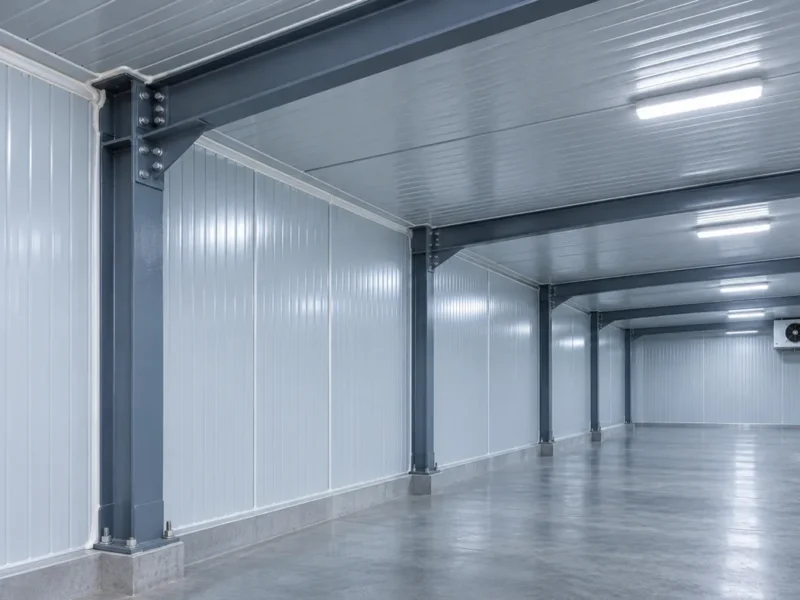
Cold-Store Insulation Requirements Beyond Panel Thickness
Continuous enclosure, controlled vapour movement and protected joints matter as much as the declared insulation value.
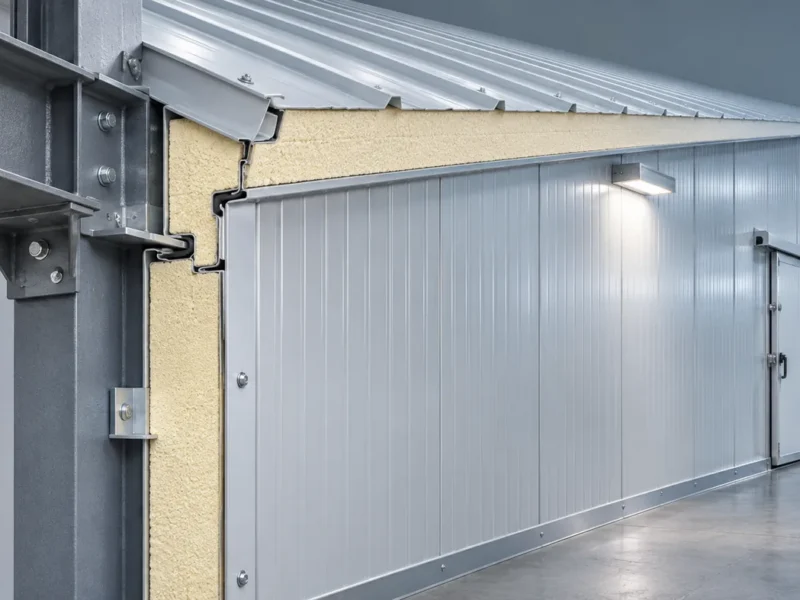
How Thick Should Cold-Store Insulation Be?
Thickness ranges are a starting point. The final build-up should follow a heat-gain calculation and a continuous, buildable assembly.
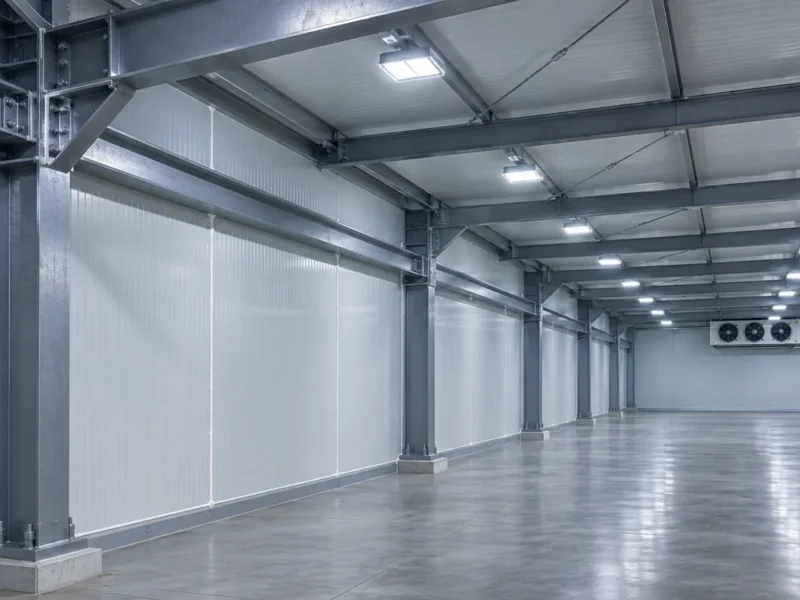
Steel Cold Stores at −30°C: Steel Grade, Thermal Breaks and Floor Design
Steel can support a −30°C room. The questions are fracture toughness, thermal bridging, airtightness and what happens under the floor.
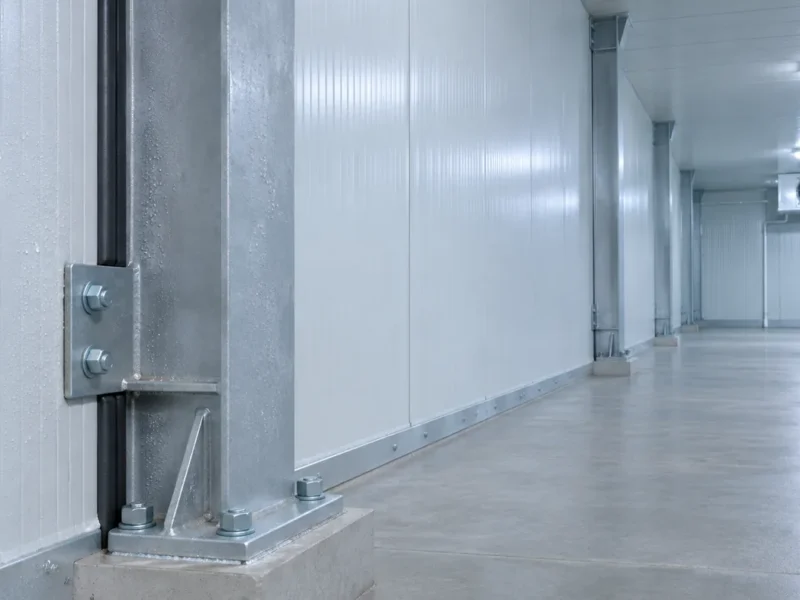
Cold Storage Maintenance: The Envelope Comes Before the Frame
Ice at a door or a wet panel joint usually appears long before corrosion on the frame. Inspect the envelope first, then…