
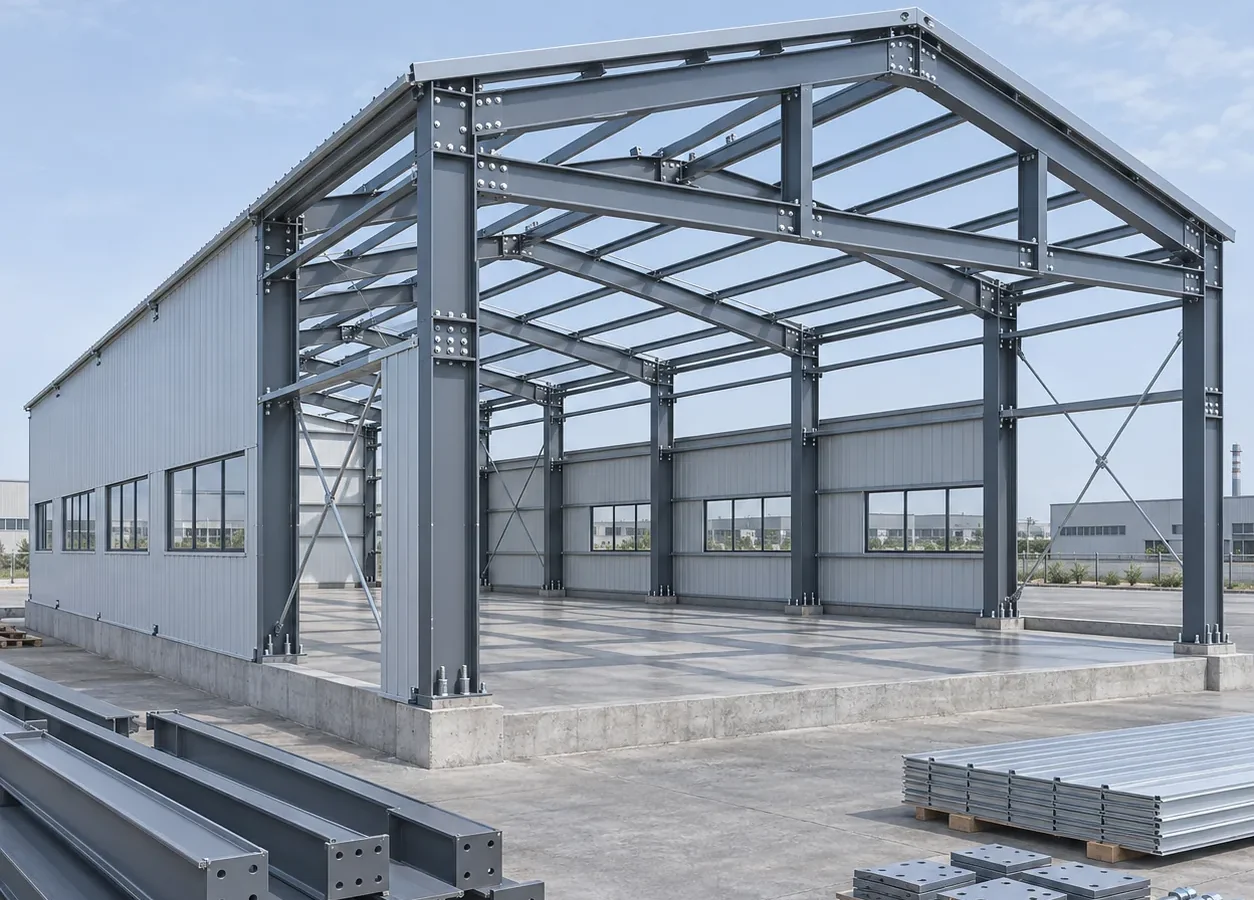
Prefabricated steel buildings are often cheaper than site-built construction, especially when the design is repeatable and factory work replaces labour at the site. They are not automatically cheaper. Freight, foundations, site access, design complexity and late changes can reverse the advantage.
Compare the same finished building
The most common mistake is comparing a steel frame price with a completed building price. One offer may include cladding and insulation; another may include only primary steel. One may include erection; another may not. Before comparing totals, align the scope: structure, envelope, openings, insulation, fire protection, delivery, unloading and installation.
Where prefabrication saves
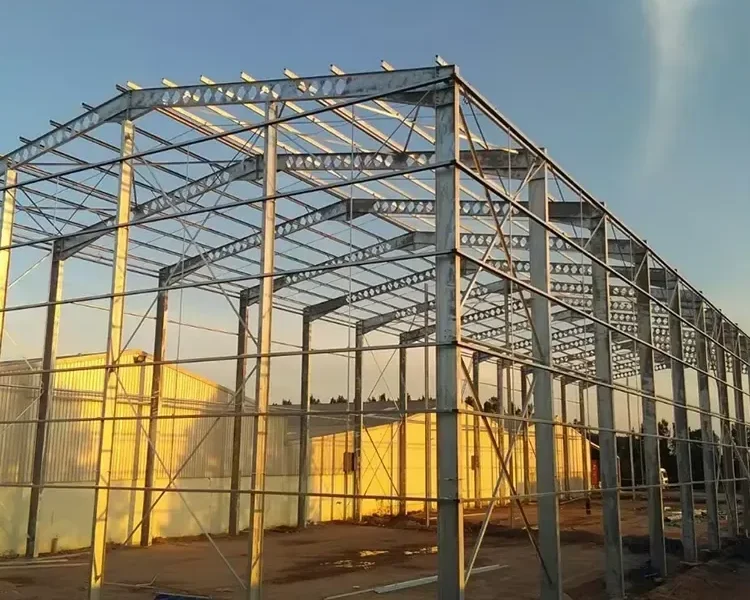
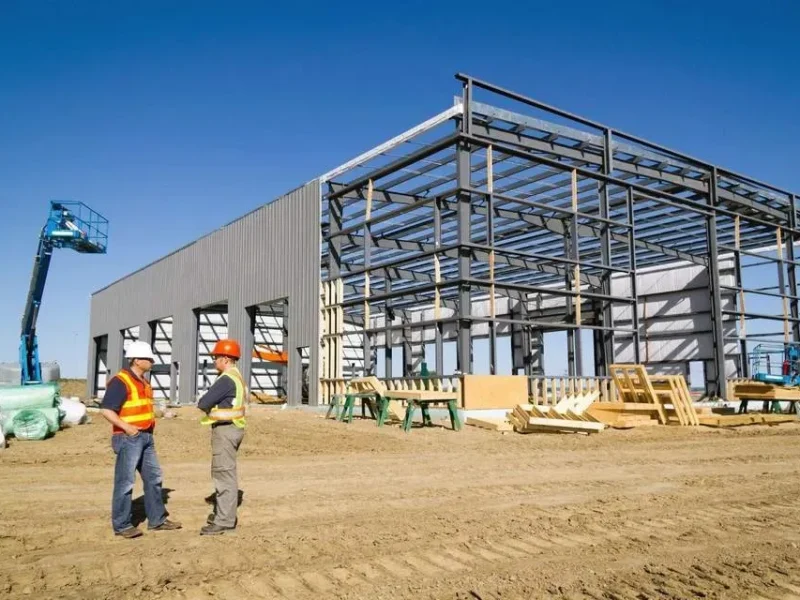
Factory fabrication moves cutting, drilling, welding and trial assembly into a controlled environment. That can reduce site labour, shorten the construction programme, improve dimensional consistency and reduce weather delays. Repeated bays and standard connections make the saving larger.
For export projects, prefabrication also allows the building to be inspected and packed before it leaves the country, which can reduce surprises at site.
Where the saving can disappear
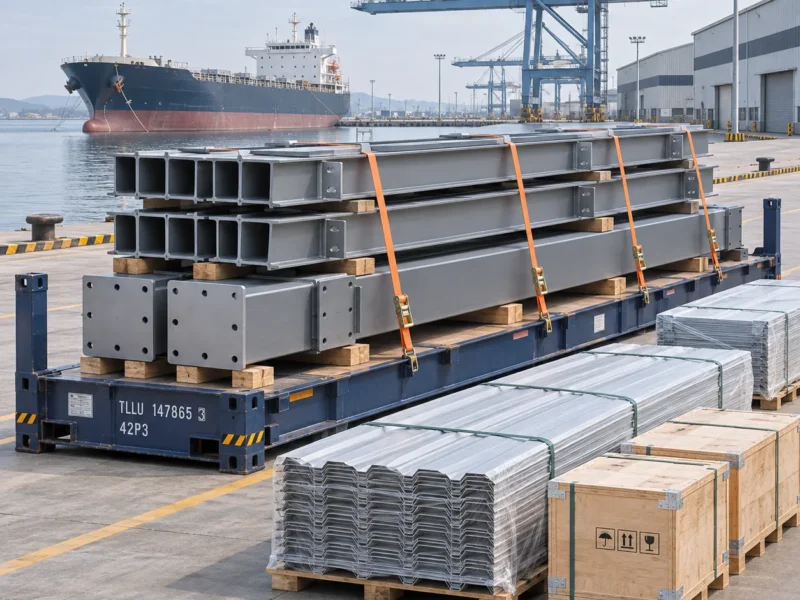
Freight is the obvious one. Long members, low cargo density and difficult port access can add cost. Site access and lifting capacity matter too: a building designed for large assemblies may need a crane the site does not have.
Foundations are another boundary. A prefabricated package often excludes excavation, concrete, drainage and external works. If ground conditions are poor, those costs can dominate the comparison.
Design complexity and changes
Prefabrication rewards early decisions. A straightforward frame with few openings and a stable layout is efficient. Complex geometry, late layout changes and many service penetrations add detailing and rework. Changes after fabrication begins are especially expensive because cut and drilled members may no longer be usable.
Compliance is part of the cost
Certification, weld inspection, coating records and design review are not optional extras when the destination market requires them. They should appear in both offers, not only in the prefabricated one. A missing compliance item can make a low bid look cheaper than it is.
SDKM quotes the package against a defined scope and a declared design basis. That makes the comparison honest: the client can see what the steel price includes and where other trades begin.