
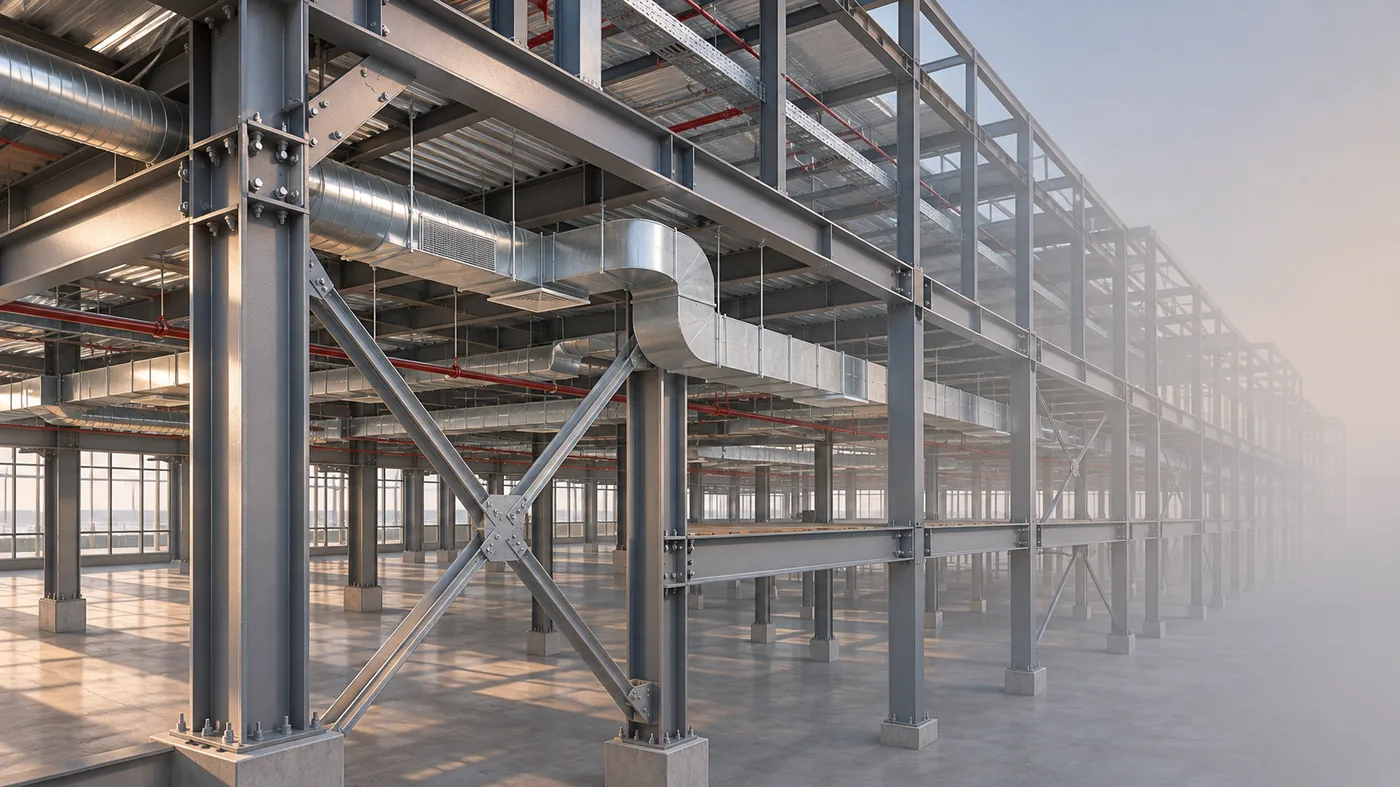
BIM is not necessary for every steel building. A straightforward, repetitive frame with few openings and simple services can be delivered with conventional drawings and disciplined coordination. The question is whether a model reduces more risk than it costs.
When BIM earns its place
Complex geometry, many trades, congested service routes, multi-storey layouts, façade interfaces and phased construction benefit from a shared model. So do projects where the client, engineer and fabricator are in different countries and need a single coordination reference.
When drawings may be enough
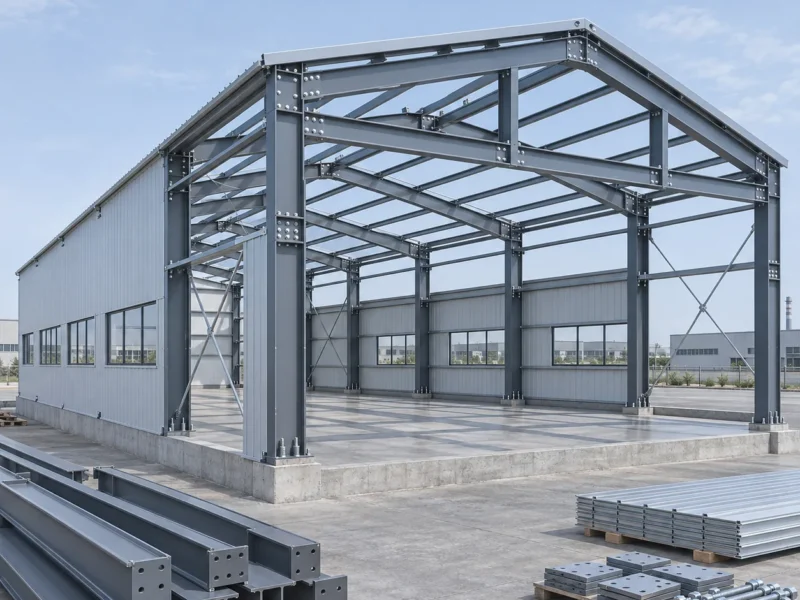
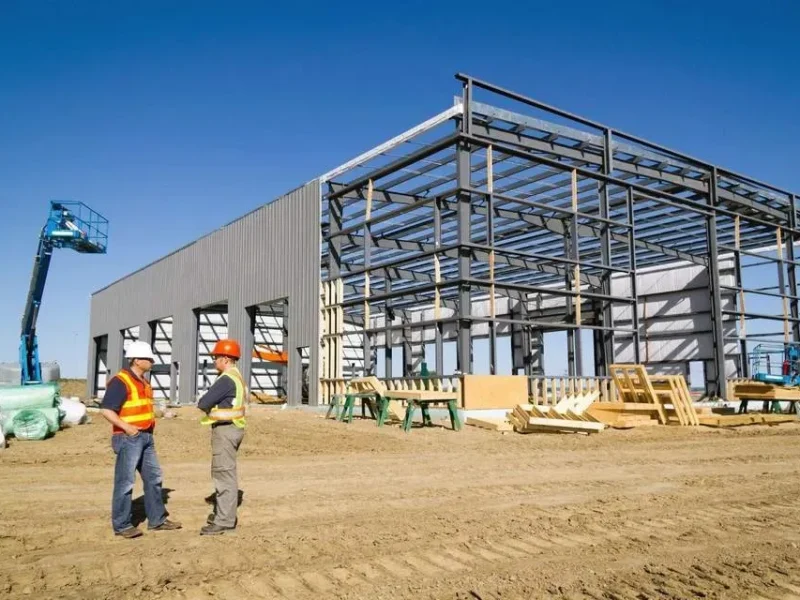
A simple portal-frame warehouse with a stable layout and few penetrations can be detailed efficiently in 2D. Adding a model may improve presentation without changing the fabrication outcome. The client should not pay for coordination that the project does not need.
What BIM can and cannot do
A model can detect clashes, extract quantities, coordinate openings and produce shop drawings. It cannot replace engineering judgement, site inspection or a clear design brief. A model built on wrong assumptions is still wrong; it is simply more visible.
Does BIM reduce cost and time?
Sometimes. It can reduce rework and improve coordination, especially on complex projects. On simple projects, the modelling effort may exceed the saving. The business case should be assessed against the actual complexity, not against a general claim.
Using BIM to compare options
A model can help compare steel and concrete schemes, or alternative bracing layouts, by visualising geometry and extracting quantities. The comparison is only valid if the design assumptions and scope are consistent.
Decide the scope before requesting a model
Define what the model is for: clash detection, quantity extraction, shop drawings, asset data or handover. Define the level of detail and who owns each element. Without that, the model becomes an expensive viewer rather than a project tool.
SDKM uses BIM where the project benefits and conventional detailing where it does not. The decision is part of the engineering brief, not a default line item.