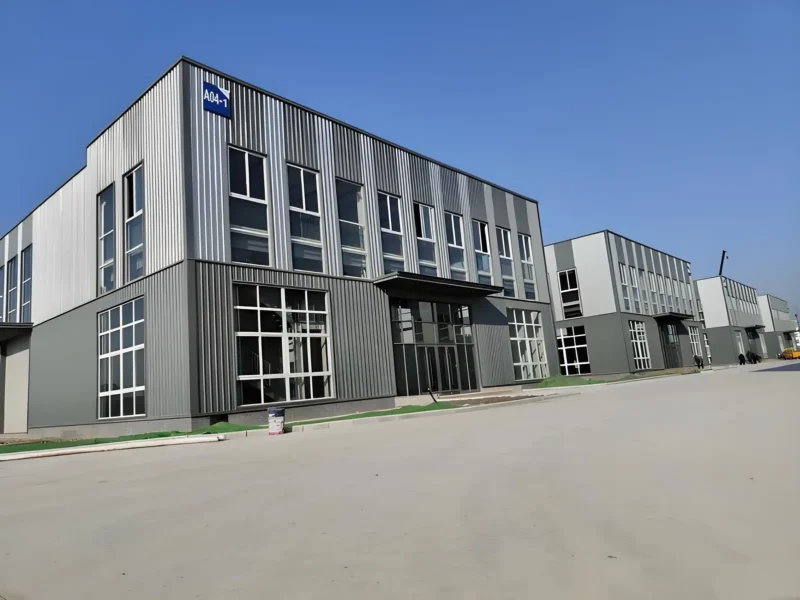
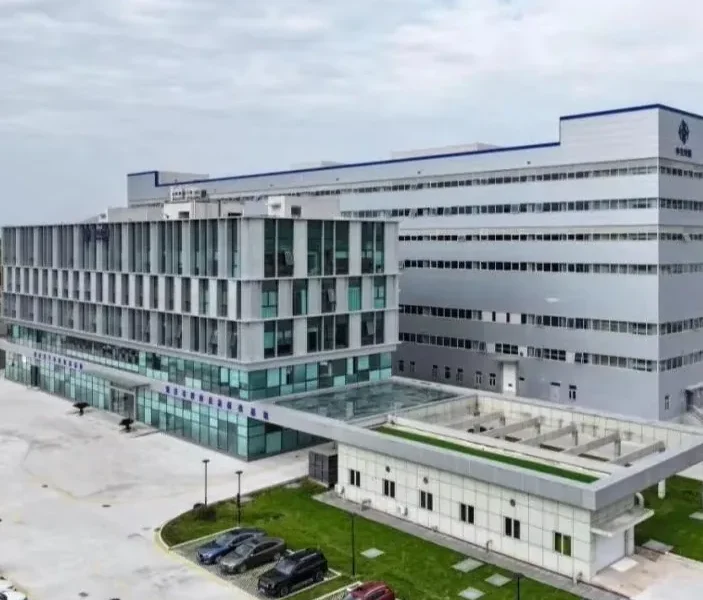
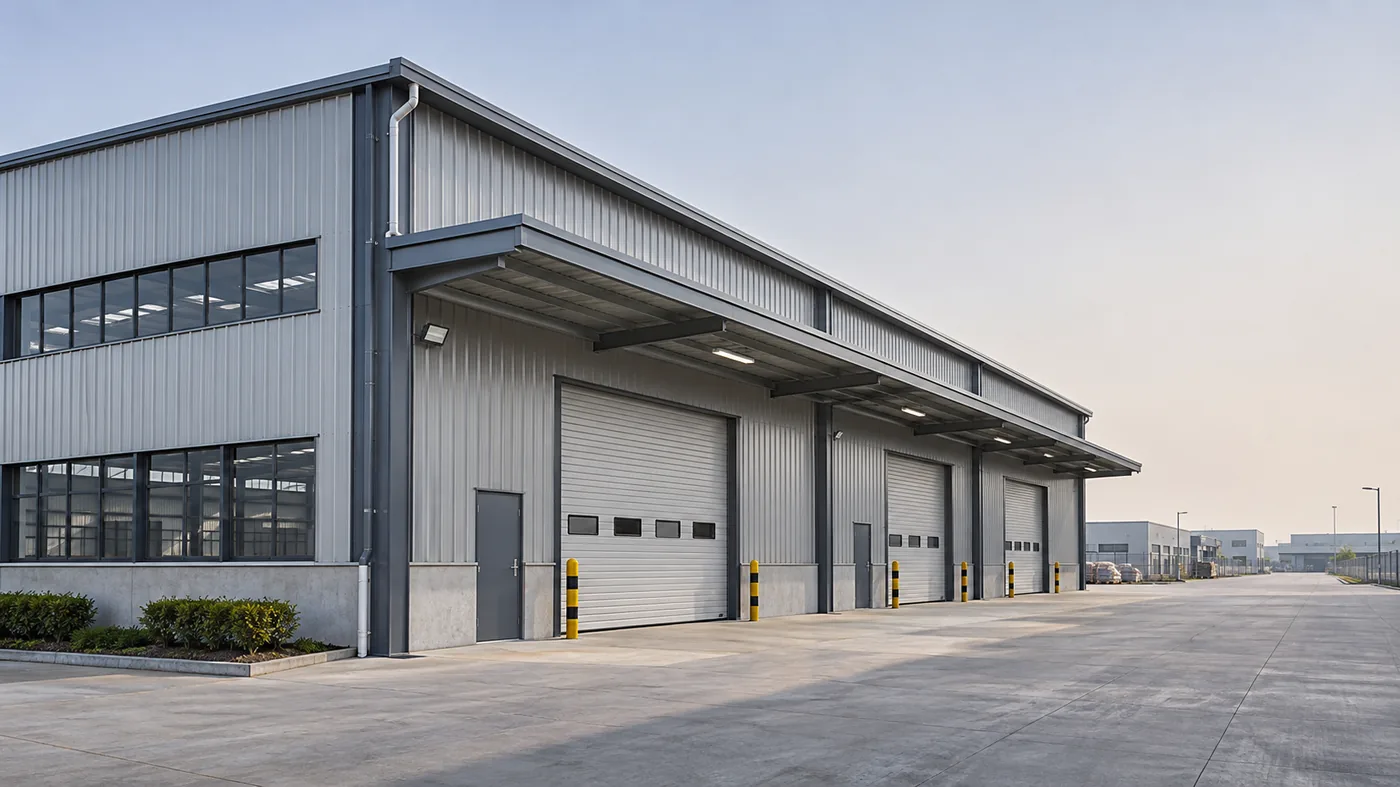
Commercial steel buildings do not normally require a special insurance product. A completed building can be covered under a commercial property policy if the insurer accepts its construction, location and use. The important work is declaring the building accurately and understanding what the policy excludes.
What the insurer needs to know
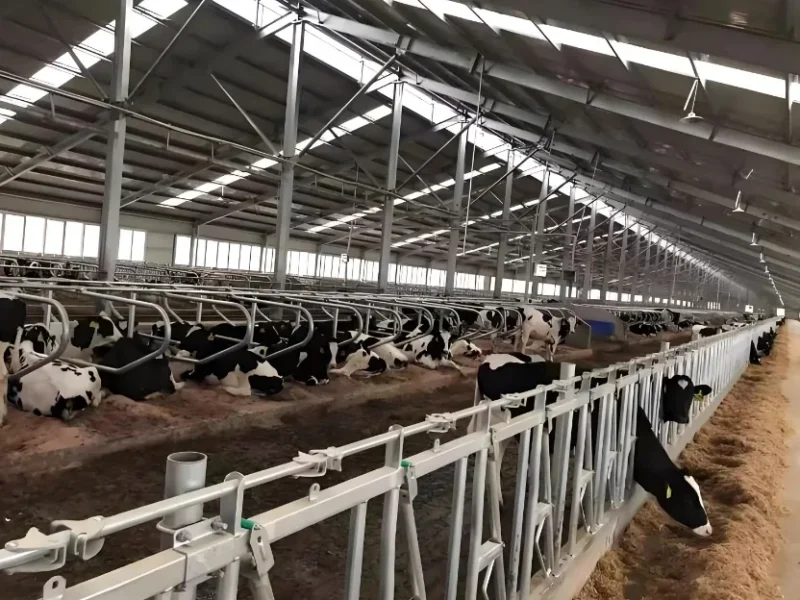
Construction type, occupancy, fire protection, roof and wall materials, age, condition and any special equipment all affect the risk. A steel frame with insulated panels is not the same risk as a steel frame with combustible cladding. A warehouse storing non-combustible goods is different from one storing chemicals.
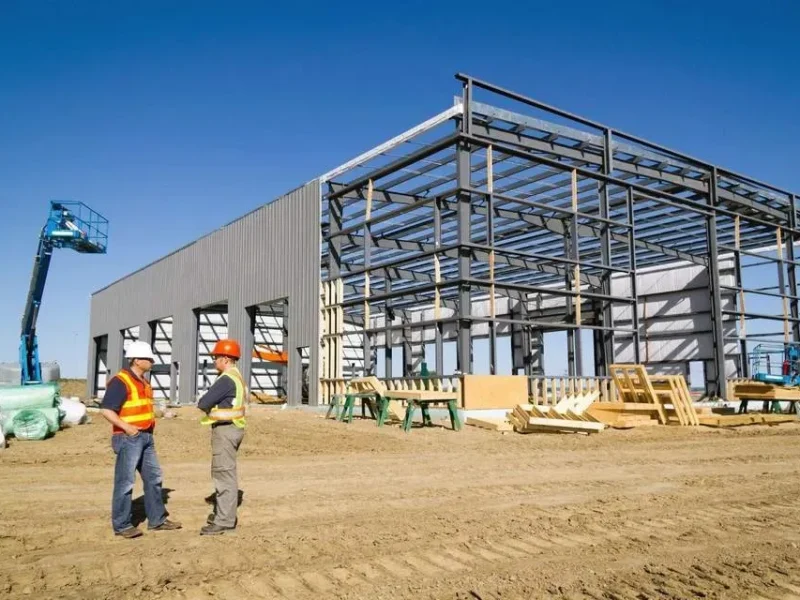
Construction-stage cover
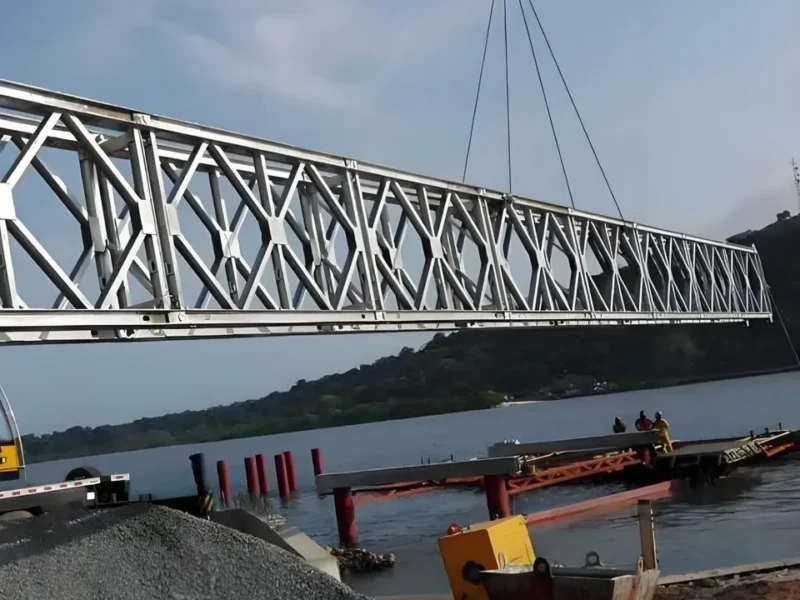
During shipping, erection and fit-out, the building may not be covered by the finished property policy. Construction all-risk or erection all-risk cover is often needed. The policy should address damage during lifting, theft of components, weather exposure and third-party liability.
Fire resistance is not the same as fire cover
Fire protection reduces the chance of structural collapse and limits damage. Insurance responds to the financial loss. A building with a poor fire strategy may still be insured, but the premium and conditions will reflect the risk. Improving compartmentation or protection can change both.
Wind, snow and water
Roof design, drainage, snow load and wind uplift are structural issues, but they also affect insurance. A roof that ponds water or a gutter that overflows can cause damage that the policy treats as maintenance-related. Documenting the design assumptions helps the insurer understand the risk.
Insured value and business interruption
Insured value should include the replacement cost of the building, not just the steel package. Machinery, inventory, tenant improvements and lost income may need separate limits. Underinsurance often appears after a loss, when the replacement cost exceeds the declared value.
Declare changes
Changes in occupancy, storage materials, roof use or building extensions should be notified to the insurer. A policy written for a light assembly building may not respond to a change into chemical storage or a high-hazard process.
SDKM provides design basis, coating and fire-protection information that owners and brokers can use when describing the building to an insurer.