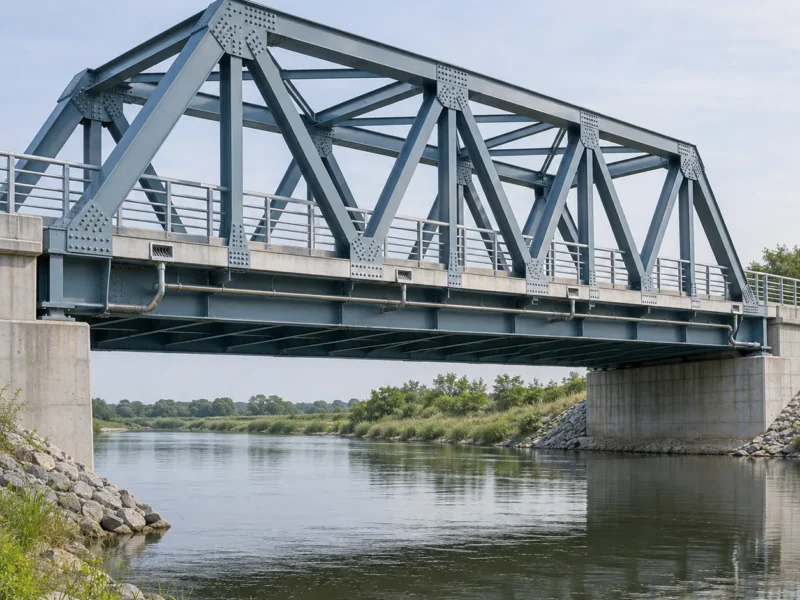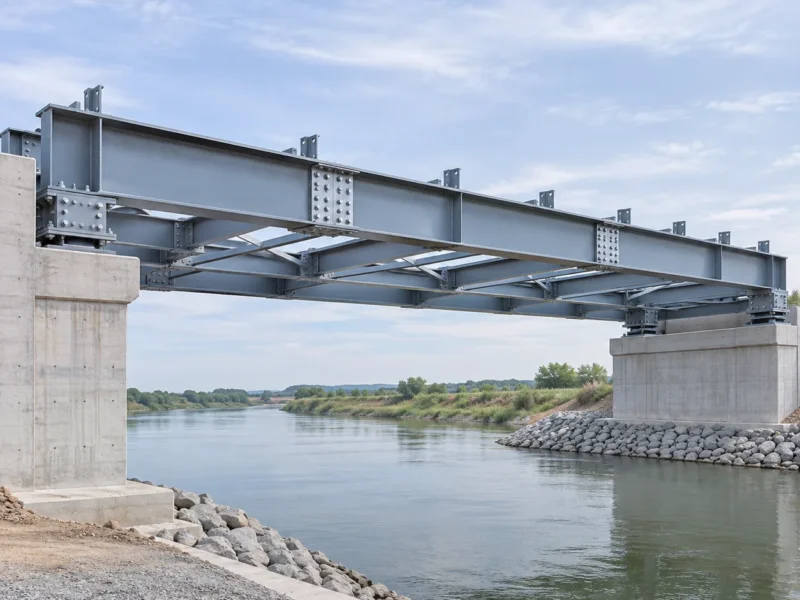

There is no fixed annual cost for maintaining a steel bridge. A small, accessible bridge with sound coatings may need little beyond inspection and drainage cleaning. A long crossing over water, road or rail may need access platforms, traffic management and specialist crews for even a minor repair.
Build the budget in two layers
The first layer is routine: inspections, cleaning, drainage, vegetation control, minor touch-up and record keeping. The second layer is periodic: repainting, bearing maintenance, expansion joint replacement, deck repairs and structural strengthening. Mixing the two into one average hides the years when the larger work falls due.
Inspection buys visibility
Inspection is not overhead. It is the information that lets an owner plan repairs before they become emergencies. A close inspection with proper access can find coating breakdown, moisture traps and connection issues while they are still local.
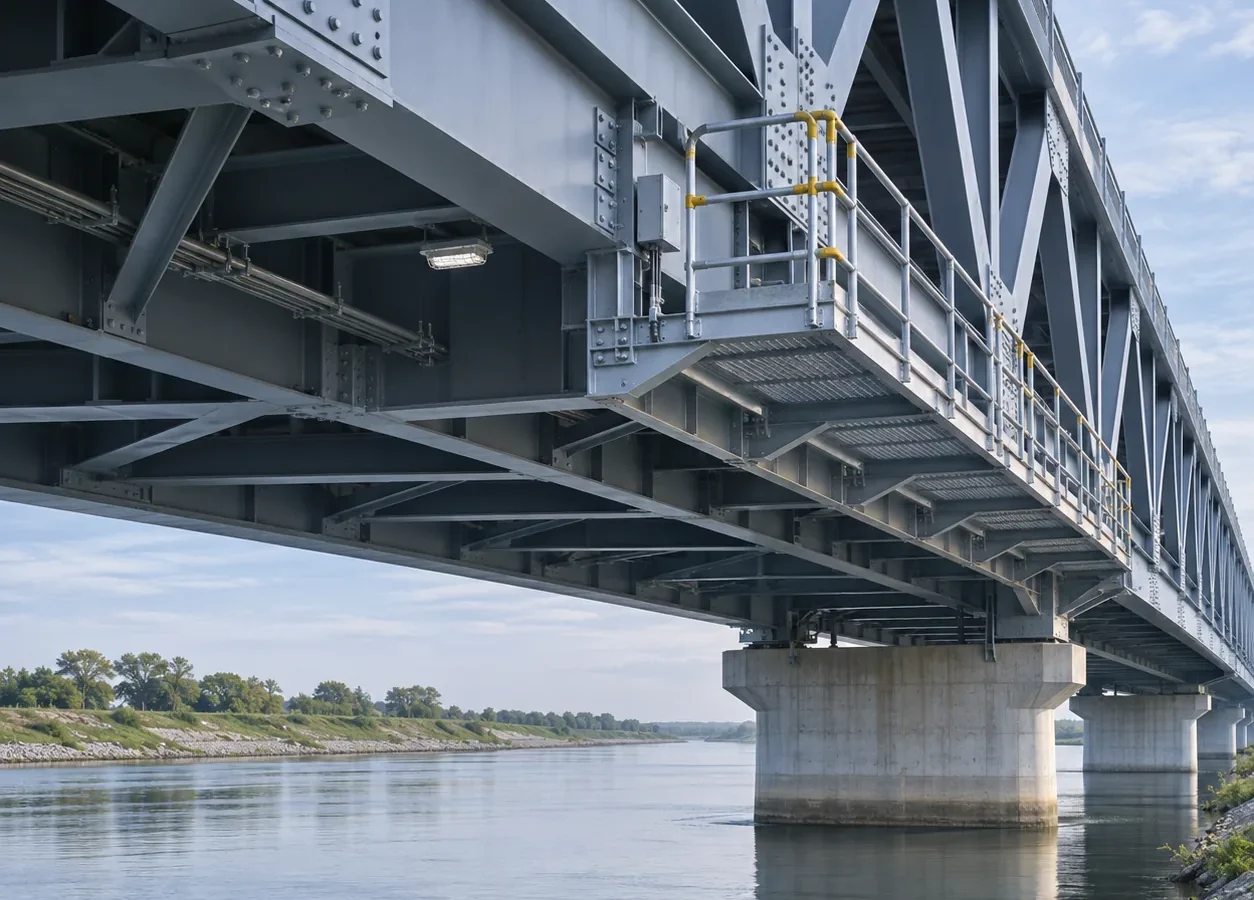
Access is part of the cost. A bridge without inspection access may need scaffolding, underbridge units or lane closures for every visit. Designing access into a new bridge is usually cheaper than adding it later.
Painting is the largest variable
Repainting depends on the area, the existing coating, surface preparation, containment requirements and access. A small area of spot repair can be inexpensive. A full repaint over a large span, with blasting and containment, can dominate the maintenance budget for years.
Coating condition surveys allow the owner to repair before the substrate corrodes. Once corrosion pits the steel, the repair becomes a structural issue, not a coating issue.
Small tasks protect the budget
Cleaning drains, removing debris, sealing small leaks, tightening loose components and repairing damaged coatings are low-cost activities with high returns. They also give the inspection team useful information about how the bridge behaves.
From condition data to a plan
Use the latest inspection report and maintenance records to build a multi-year plan. Identify what needs attention now, what is likely to need work in the next cycle, and where the condition is uncertain. That plan is more useful than a single annual figure.
When repair estimates approach replacement cost, the question changes from maintenance to whole-life value. That decision should be based on condition, load capacity and remaining service life, not on the next year’s budget alone.